
Masters of the Universe · canon
Everything the 2026 movie changed from the cartoon
The film keeps the insults, the costumes and the moral of the story, then rebuilds the premise from the ground up. Skeletor is not Keldor. Adam grows up on Earth. He-Man kills. Here is the full comparison against Filmation, the 200X series and the original mini-comics.
Updated July 29, 2026
The short version
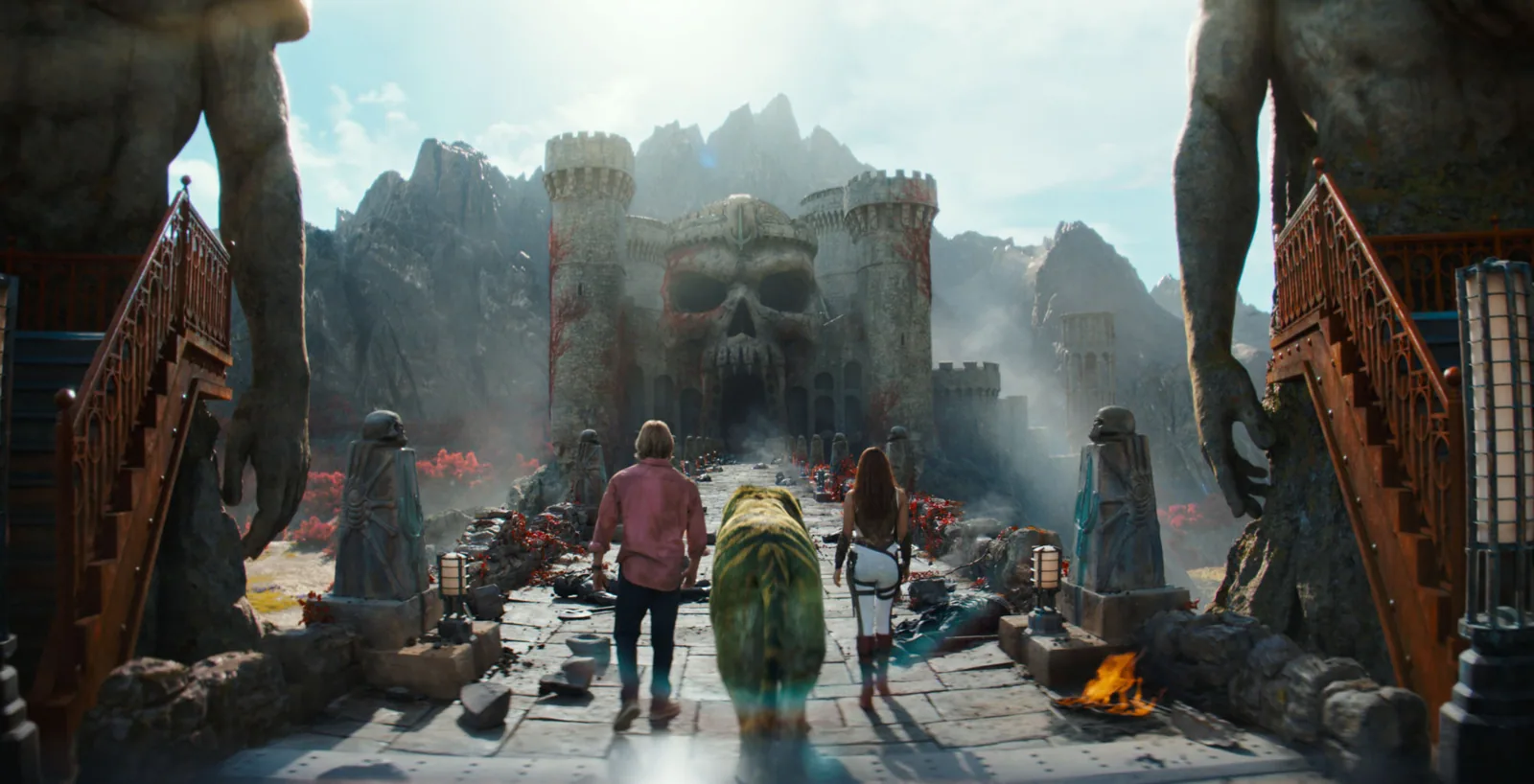
There is a useful way to read this film: it is faithful to the surface of Masters of the Universe and radical about its structure. The character designs, the vocabulary, the humour and the Orko tag all come straight from 1983. The engine underneath, a prince with a secret identity in a palace, has been replaced with an orphan raised on Earth who has nothing to hide.
Whether that lands depends entirely on which part you were attached to. Below, the changes that matter, then the things the film went out of its way to keep.
Point by point
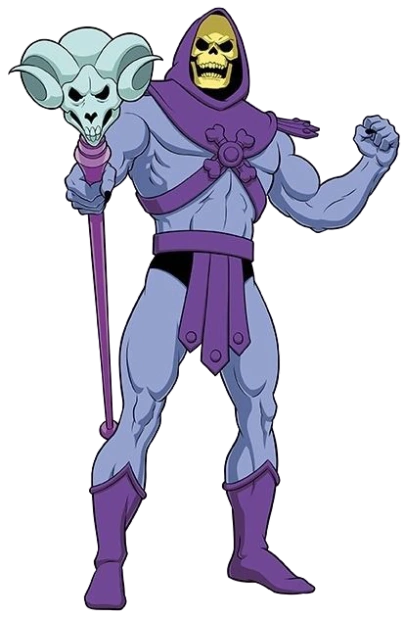
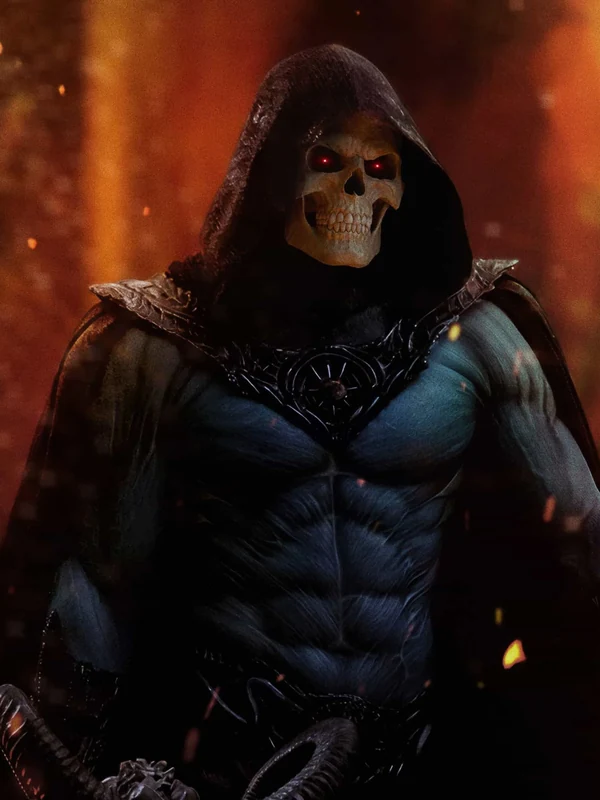
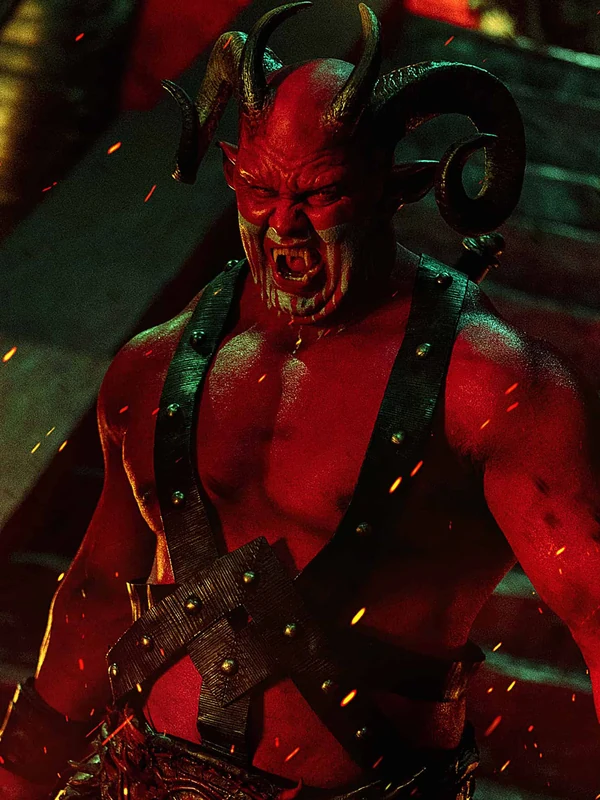
Skeletor’s origin
Prince Adam and the secret identity
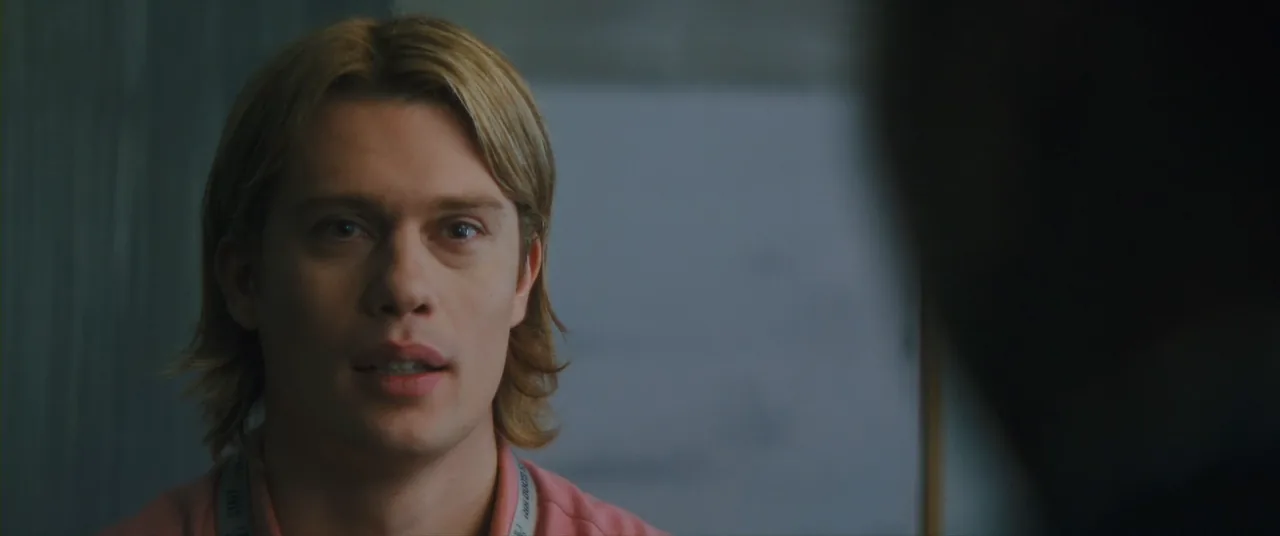
Teela
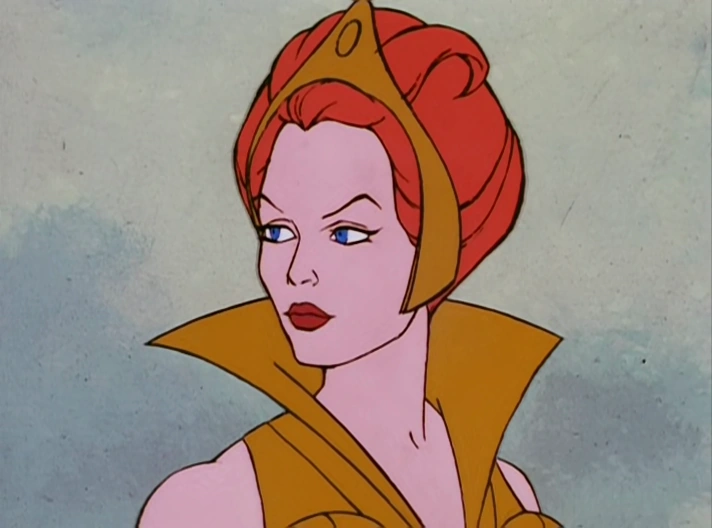

Orko
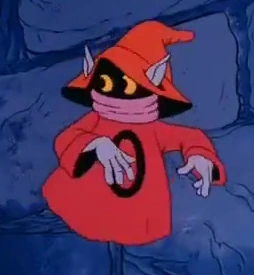
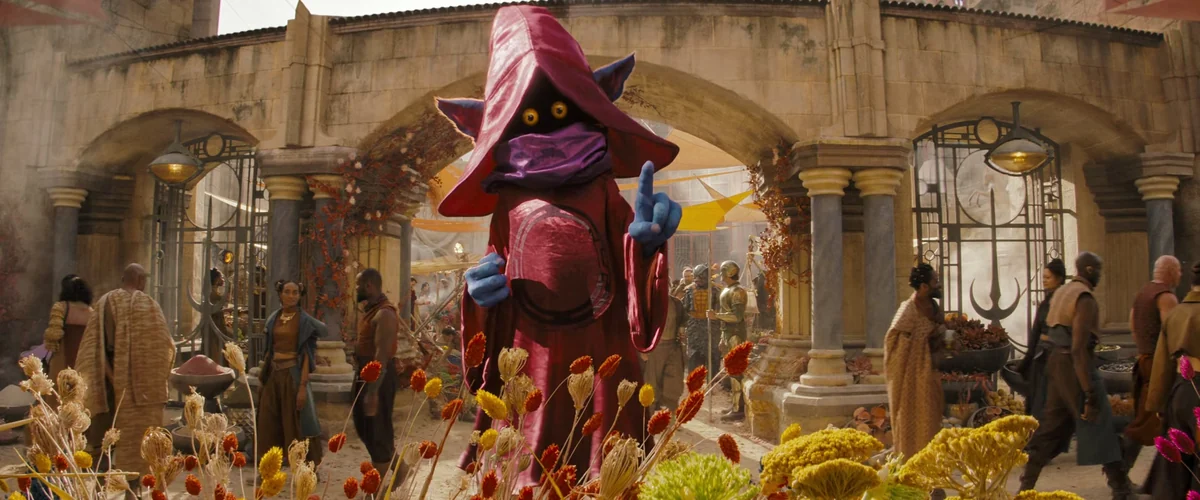
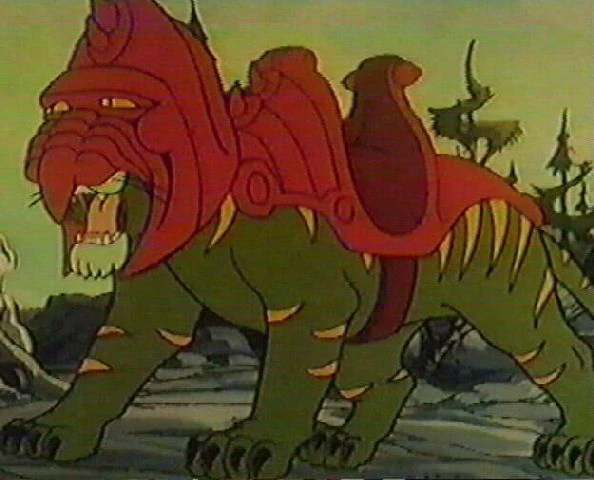
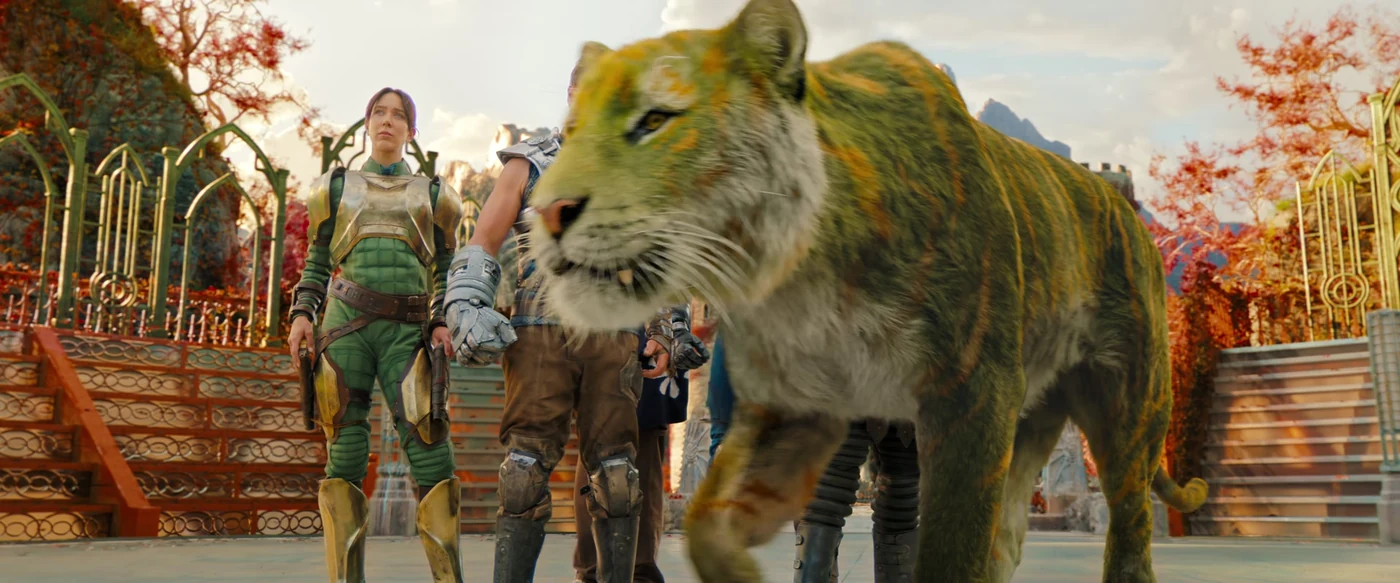
Cringer and Battle Cat
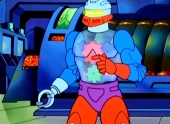
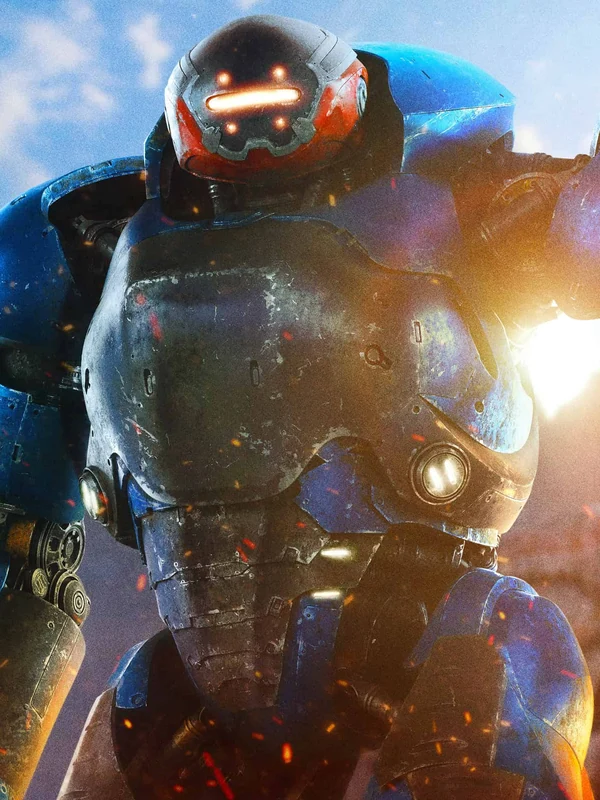
Roboto
Fisto
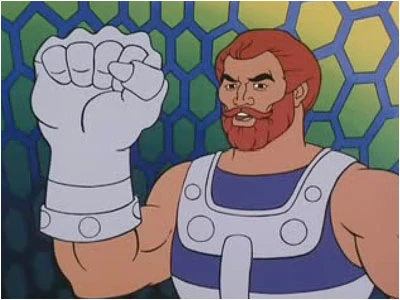
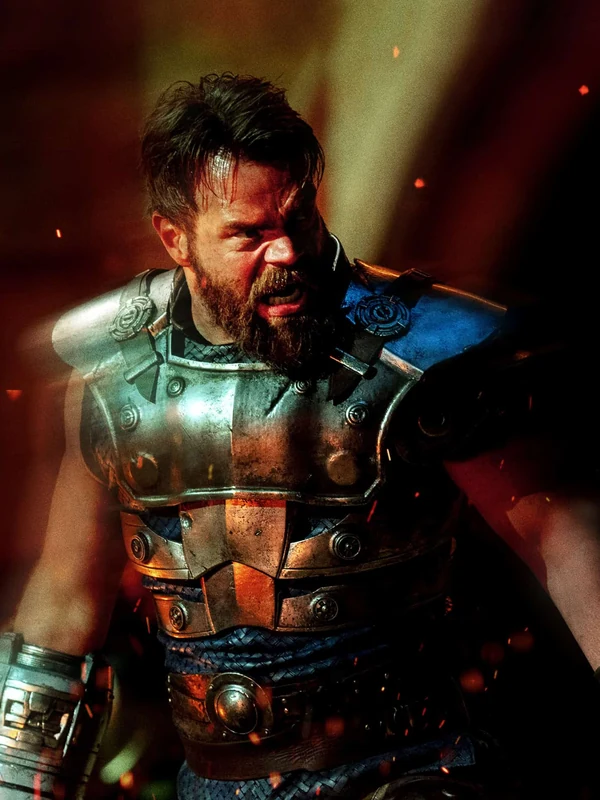
Where the silly names come from
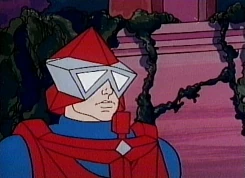
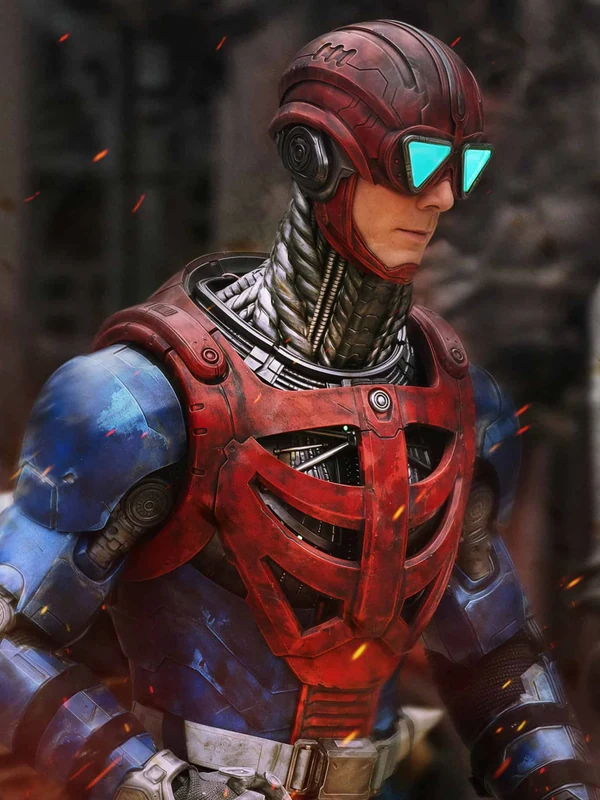
Killing
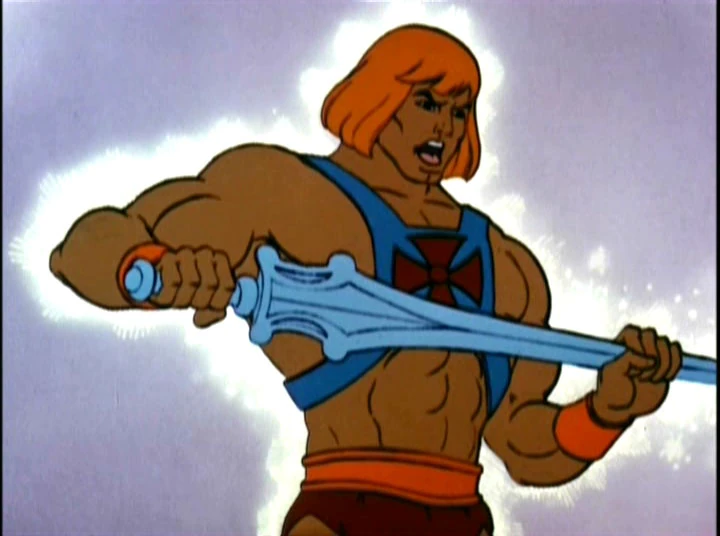
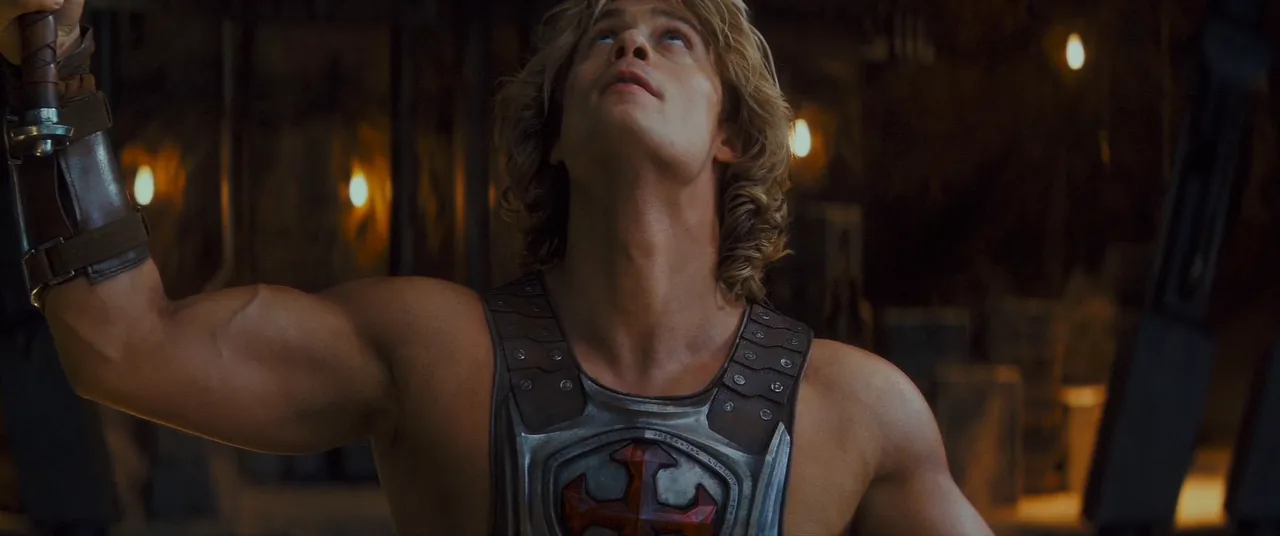
Skeletor’s voice
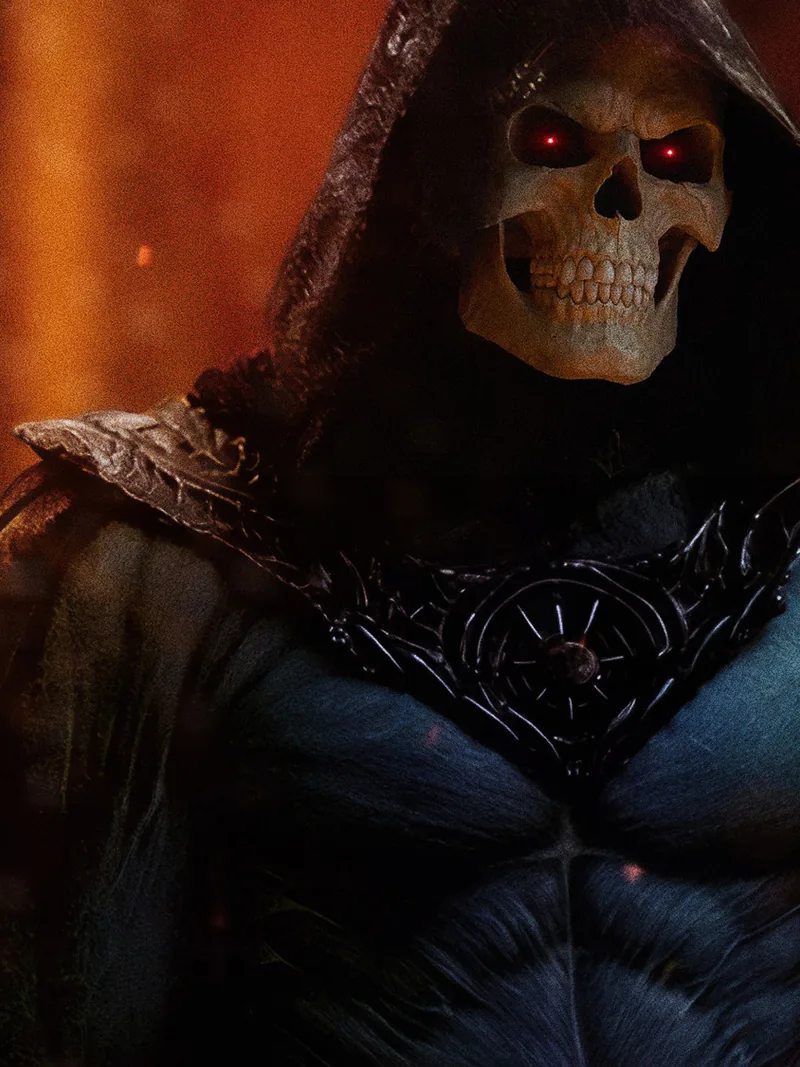
A word on Keldor, because it gets muddled constantly
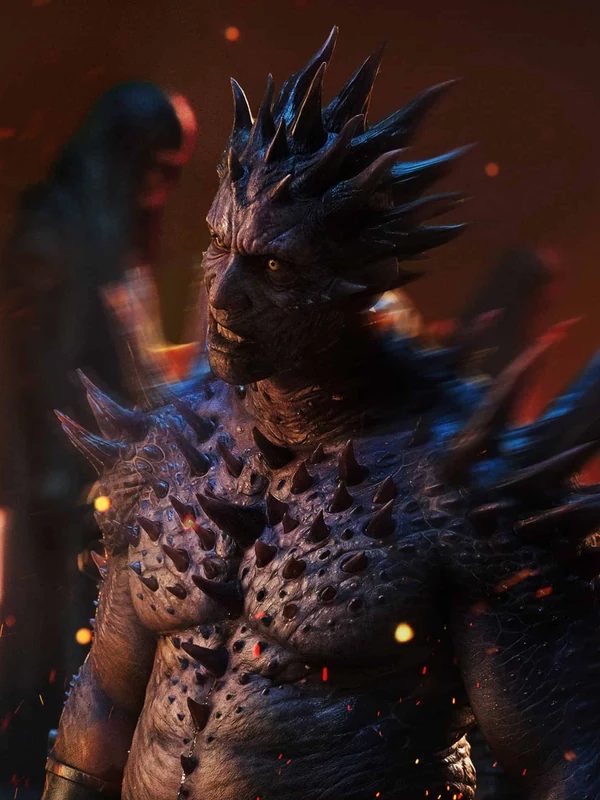
Skeletor being King Randor’s brother feels like bedrock. It is not, and it is much younger than most fans assume. The 1982 mini-comics that launched the toyline made Skeletor an interdimensional demon with no family connection at all. Filmation never gave him a family either; the closest it came was The Secret of the Sword in 1985, which made him a minion Hordak had trained and then abandoned on Eternia when the Horde was driven off. Keldor was first floated in a 1987 mini-comic, right as the original line was ending, and then dropped.
It was the 2002 series that actually dramatised Keldor’s fall and turned him into Skeletor on screen, though it was cancelled before the half-brother reveal could air. The creators confirmed it in interviews, and the Netflix shows cemented him as Randor’s brother in the popular memory. So when this film goes back to a dimensional demon, it is not inventing something new. It is picking the oldest version on the shelf.
Then and now
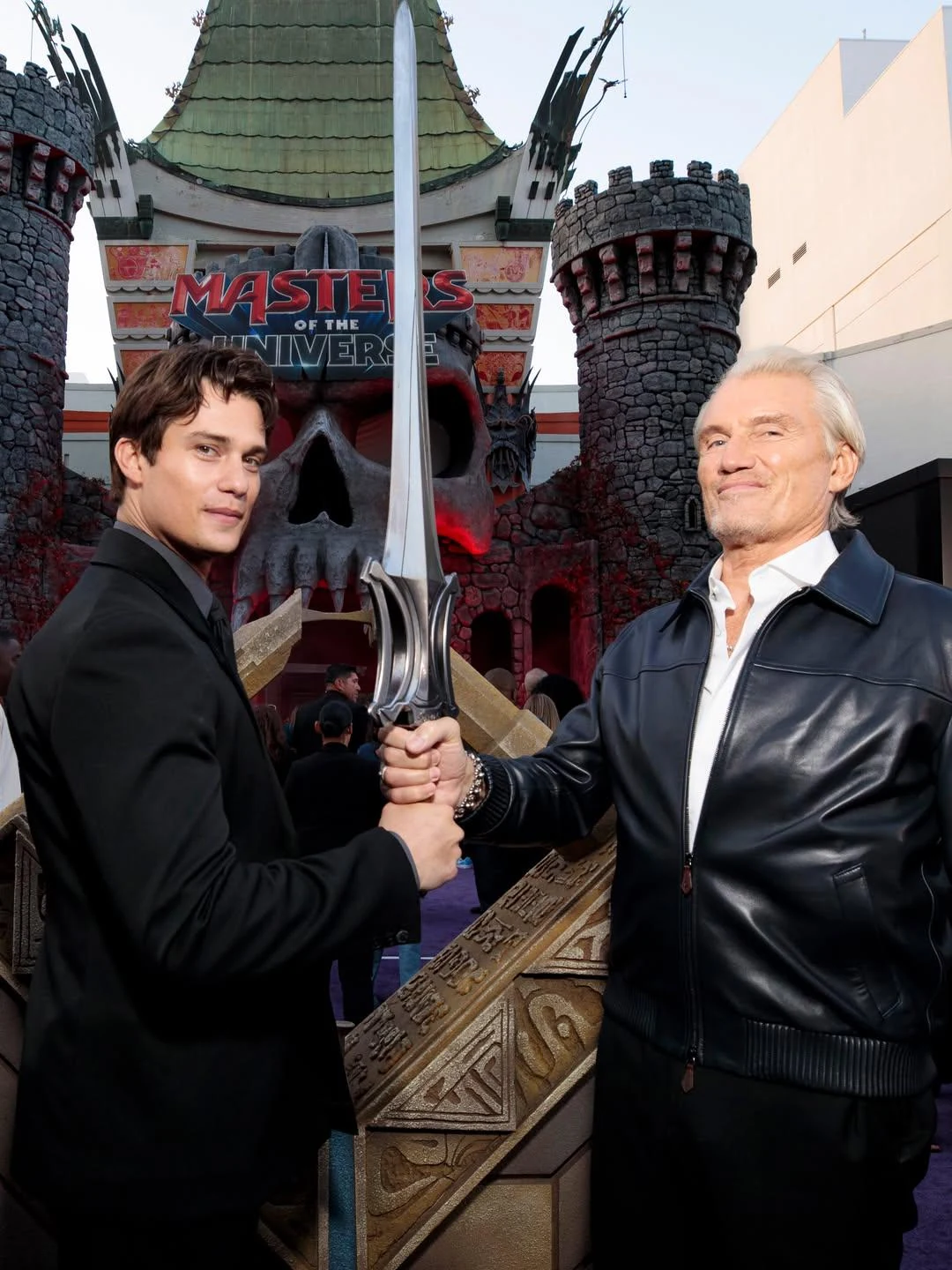
The 1987 Cannon film is the only other live-action attempt, which makes it the natural yardstick. Design-wise the 2026 version is far closer to the cartoon than 1987 ever tried to be, and the 2026 cast list shows how each role was recast against both.
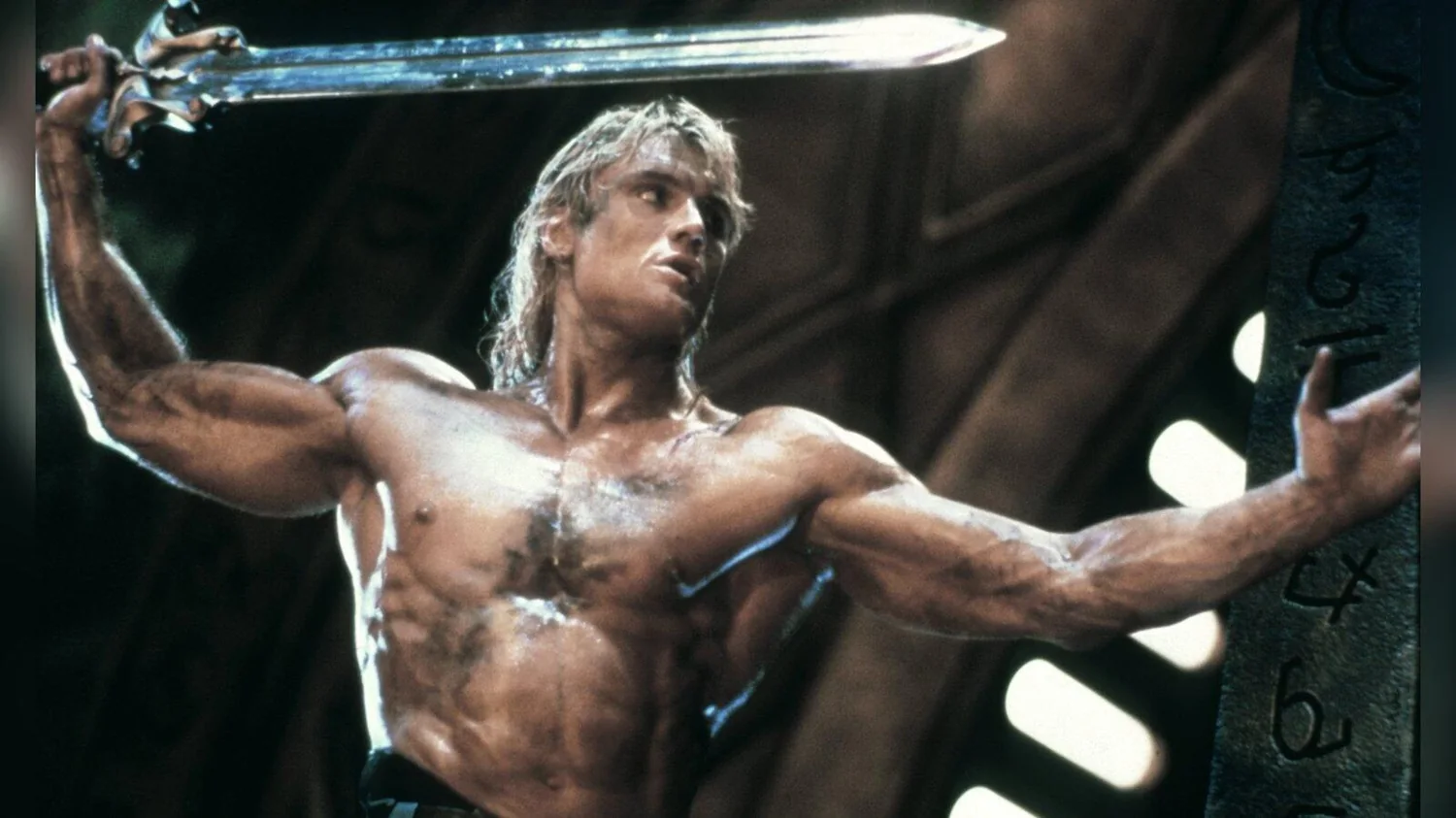
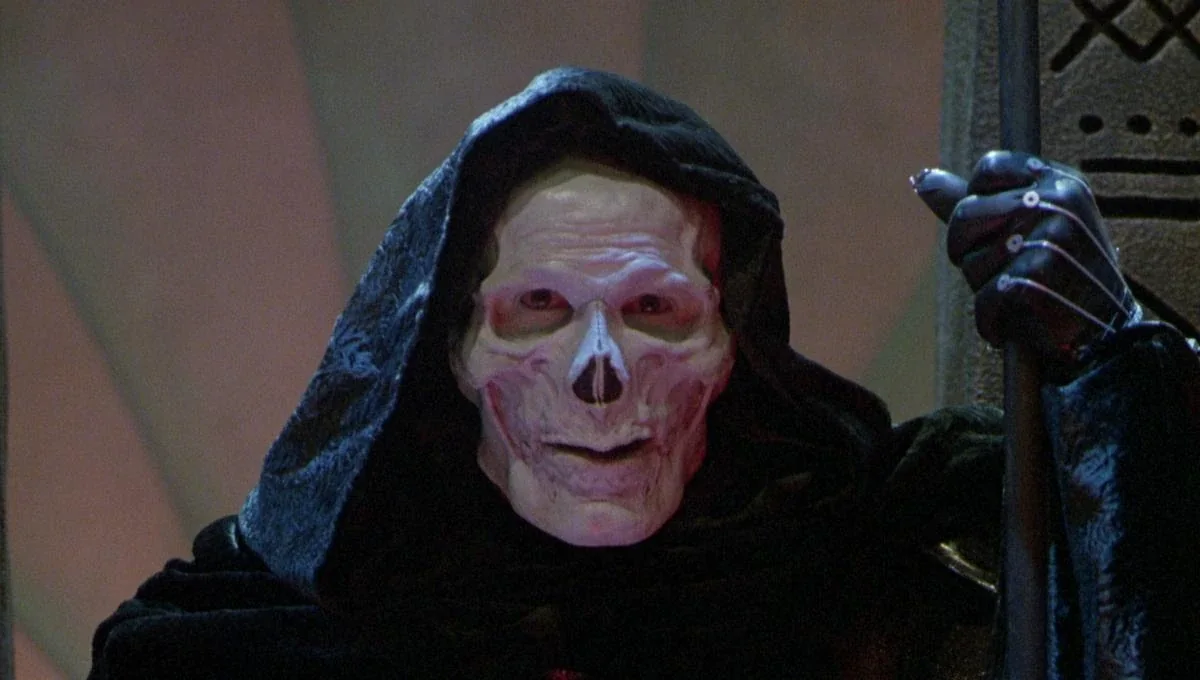
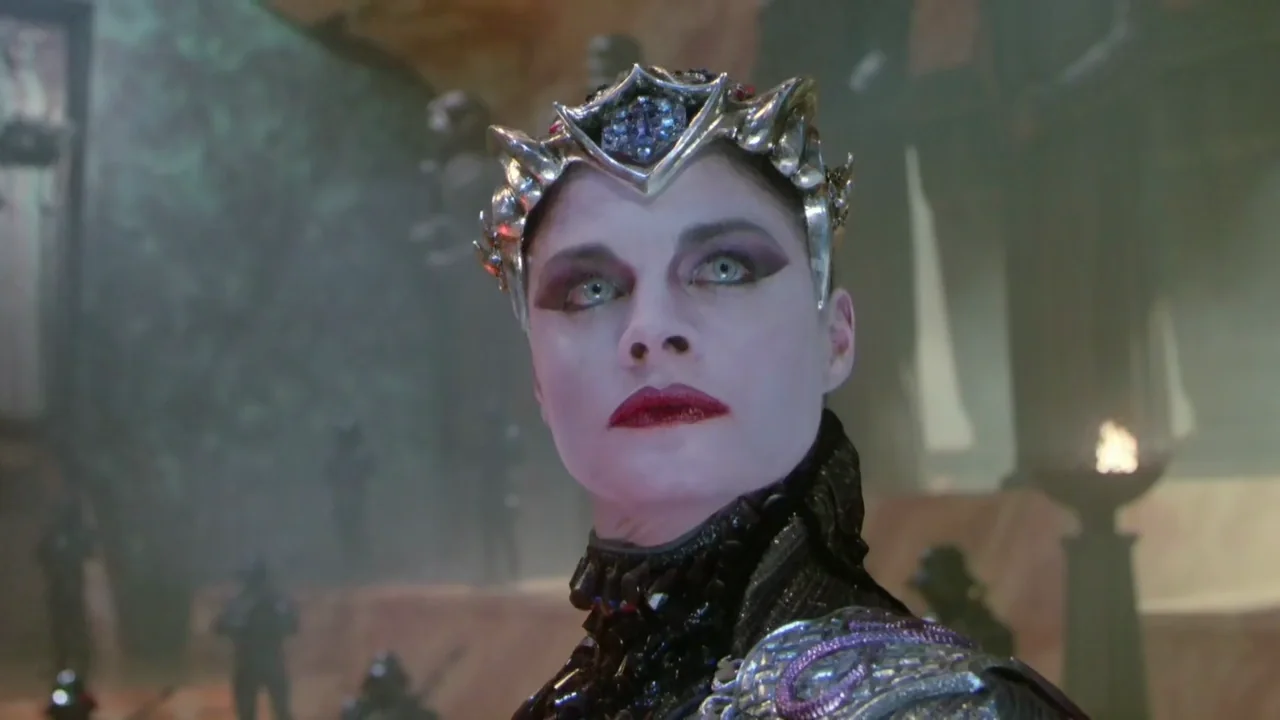
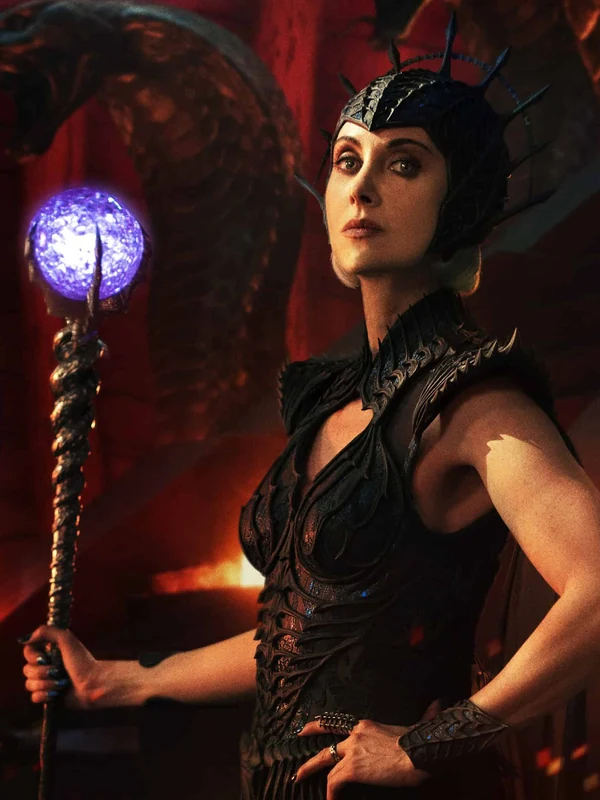
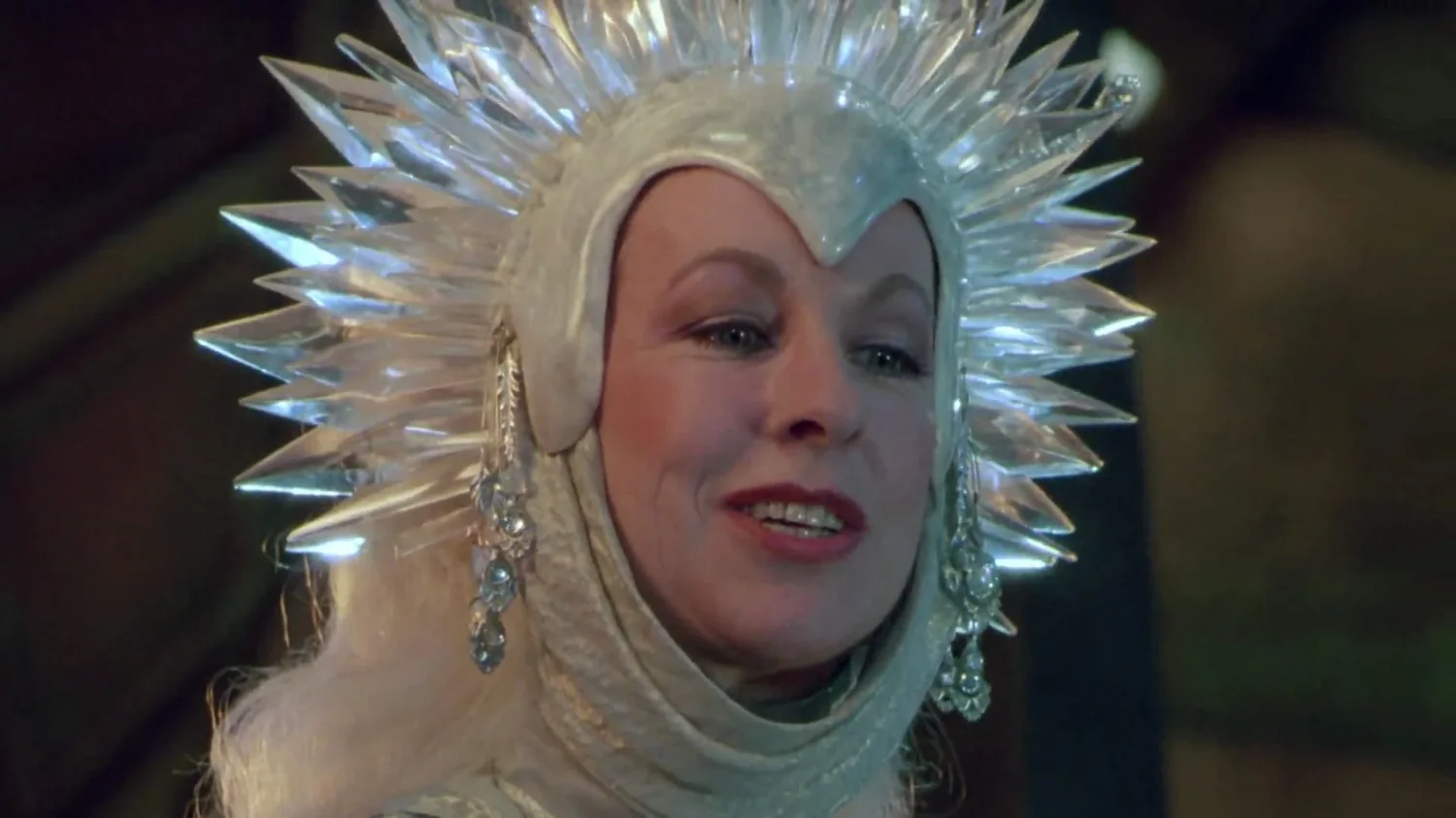
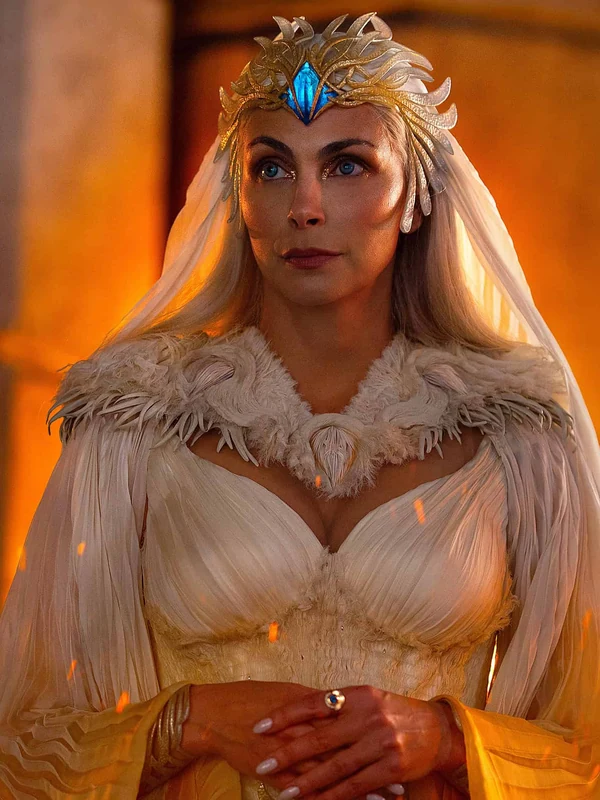
1987 stills Cannon Films. 2026 stills Amazon MGM Studios. All hosted on heman.org.
Some links on this page are affiliate links that support heman.org, including our BBTS Creator Program partnership with Big Bad Toy Store.
What the film deliberately kept
- Costume and character design that reviewers repeatedly called dead ringers for the animated versions.
- The Orko credits tag, a straight recreation of Filmation’s moral-of-the-story format.
- Skeletor’s vocabulary of insults, lifted wholesale from the cartoon.
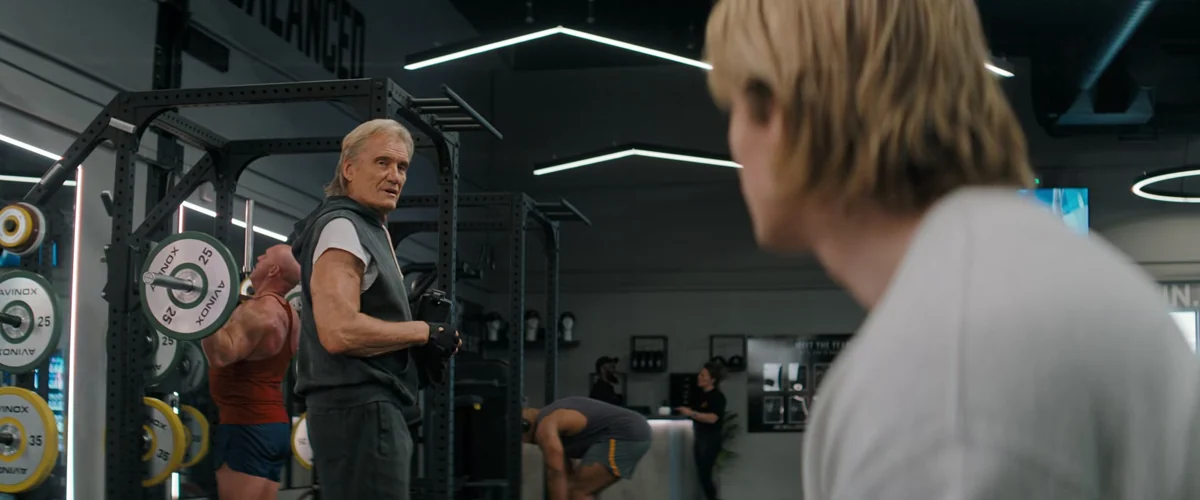
- Dolph Lundgren, He-Man in the 1987 film, cameoing as a gym-goer, reportedly credited as "Macho Man", and leaving on the line "Good journey" from that film.
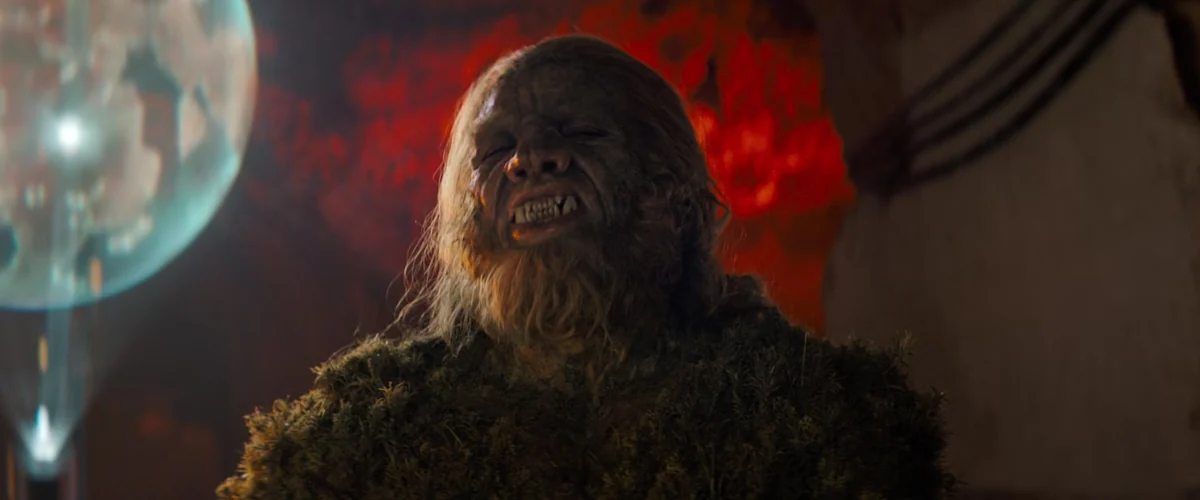
- Deep-cut toyline characters including Goat Man, Spikor and Moss Man appear.
- Stakes kept to Eternia rather than the universe, which is closer to Filmation’s scale than most modern blockbusters manage.
- A Daniel Pemberton score consciously modelled on Queen’s Flash Gordon, with Brian May co-writing and playing on the track "Eternia".
The deep cuts it bothered to include
A tell for how seriously the film took the toyline: it finds room for figures most adaptations skip entirely. Moss Man turns up in Skeletor’s throne room, where Evil-Lyn has to be asked who he even is.
How that went down with fans
Better than the critical scores suggest. The film sits at 67 percent with critics across 254 reviews and 86 percent with audiences, and the gap is wider still among long-term MOTU fans, several of whom read the Filmation texture as the film making something specifically for them. The Orko tag and the Lundgren cameo were near-universally liked.
The objections clustered in three places: He-Man killing, the missing Battle Cat transformation, and the forty minutes of Earth-set fish-out-of-water comedy that opens the film. The Roboto gender change generated a lot of pre-release noise and comparatively little post-release comment, which is usually a sign the character worked on screen.
Frequently asked
Is Skeletor Keldor in the 2026 movie?
No. The film returns to the earliest version of the character, in which Skeletor is a demon from another dimension rather than King Randor’s brother. Director Travis Knight has said publicly that he rejected the Keldor origin.
Is the 2026 movie faithful to the 1983 cartoon?
It is faithful in texture and unfaithful in structure. Designs, insults, humour and the Orko credits tag are lifted lovingly from Filmation, while the premise is rebuilt: Adam grows up on Earth, there is no secret identity to speak of, and He-Man kills.
Why is Orko barely in the movie?
He is not in the main film at all, only the first credits scene. The most common explanation offered in reviews is that the film already had one magical character in the Sorceress and a second would have pulled focus.
Is Roboto a woman in the movie?
Yes. Roboto is written as female and voiced by Kristen Wiig, a change from the male robot of the 1985 toyline and the 2002 series.
Does Teela know the Sorceress is her mother?
The relationship exists in the film, as it does in Filmation, but it is not the dramatic centrepiece it becomes in later continuities such as Revelation.
Do I need to know the cartoon to follow the film?
No. It is a self-contained origin story. Knowing the cartoon changes what you notice, not whether you can follow it.
Sources
- Nerdist, the many origins of Skeletor
- Screen Rant, Travis Knight on this Skeletor
- SlashFilm, the Dolph Lundgren cameo
- ComicBook.com, credits scenes and fan service
Written and edited by the heman.org news desk. AI-assisted, human-edited: see how we work.