Masters of the Universe · 2026
Masters of the Universe (2026), ending explained
Skeletor breaks the Power Sword, and the film finally says what it has been circling for two hours: the power was never in the blade. Here is the third act, the epilogue and every thread the film leaves dangling, laid out in order.
Updated July 29, 2026
Full spoilers below. If you have just landed here from the Prime Video listing and have not watched yet, the spoiler-free version is on the movie hub.
The short answer
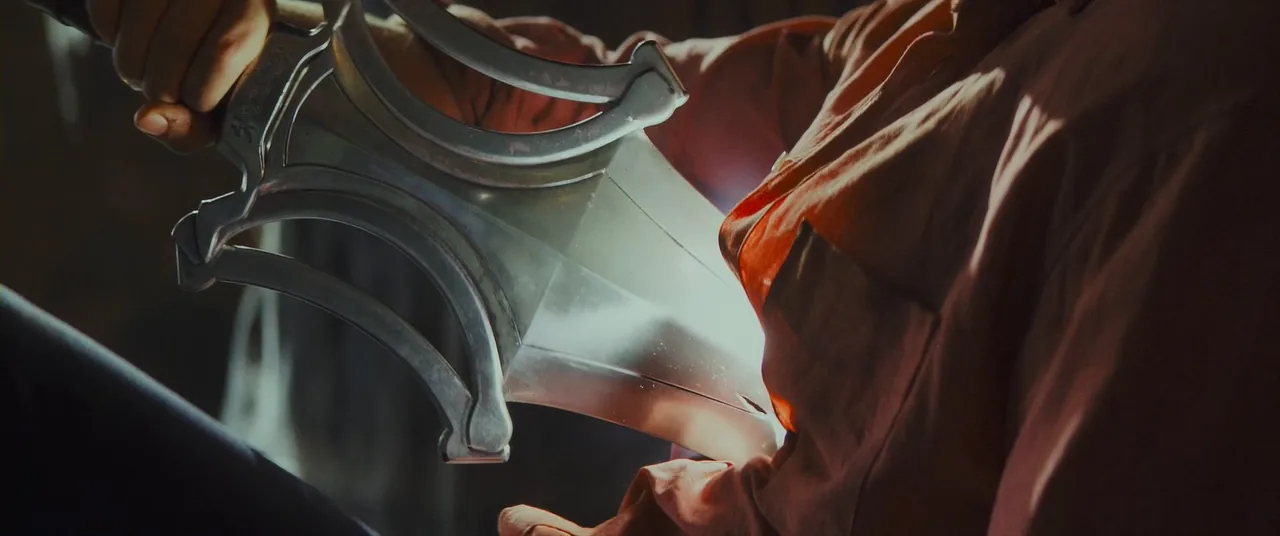
He-Man beats Skeletor at Castle Grayskull, but not with the sword. Skeletor shatters the Power Sword and stabs Adam with the broken hilt. In the vision that follows, the Sorceress tells Adam she picked him as the vessel of the Power of Grayskull for his kindness rather than his strength, and that the power was always his. Adam calls it up himself, the sword reassembles, the Havoc Staff is destroyed and Skeletor disintegrates down to a bare skull. Six months later Eternos is rebuilt and Adam takes the name He-Man in public for the first time.
The ending, beat by beat
- 1
Skeletor shatters the Power Sword
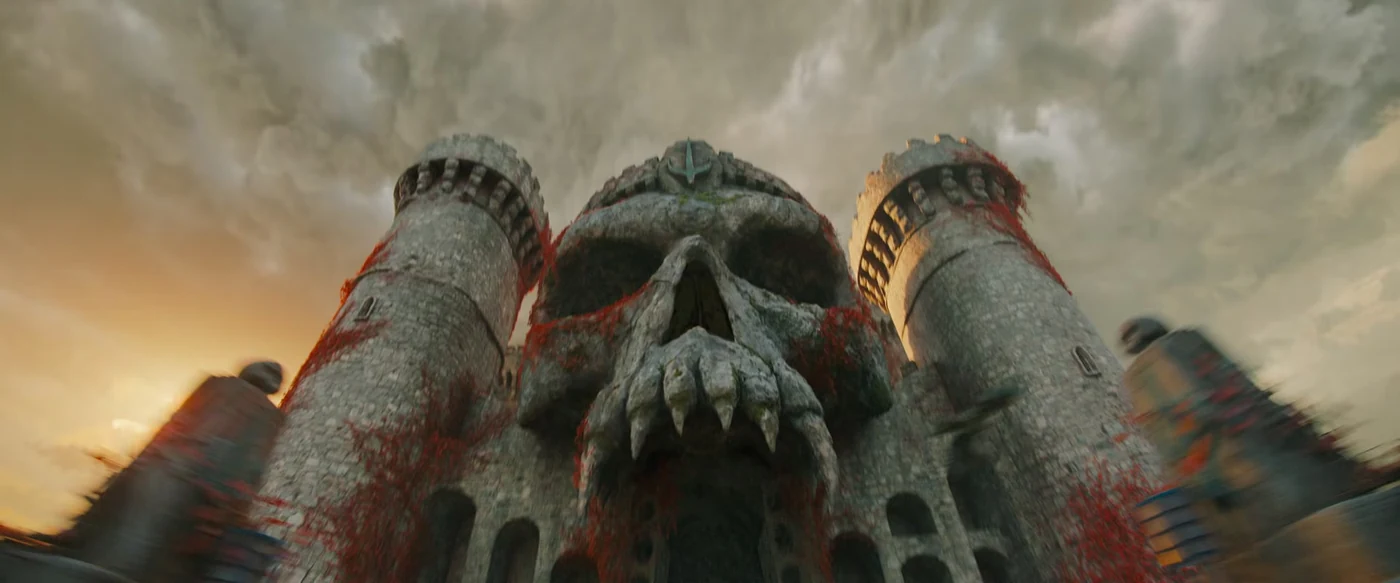
The climax is a duel at Castle Grayskull. Skeletor breaks the Sword of Power with his Havoc Staff and runs Adam through with the broken hilt. It is the lowest point of the film: the weapon the whole story has chased is in pieces, and the hero is down.
- 2
The Sorceress tells him the sword was never the point
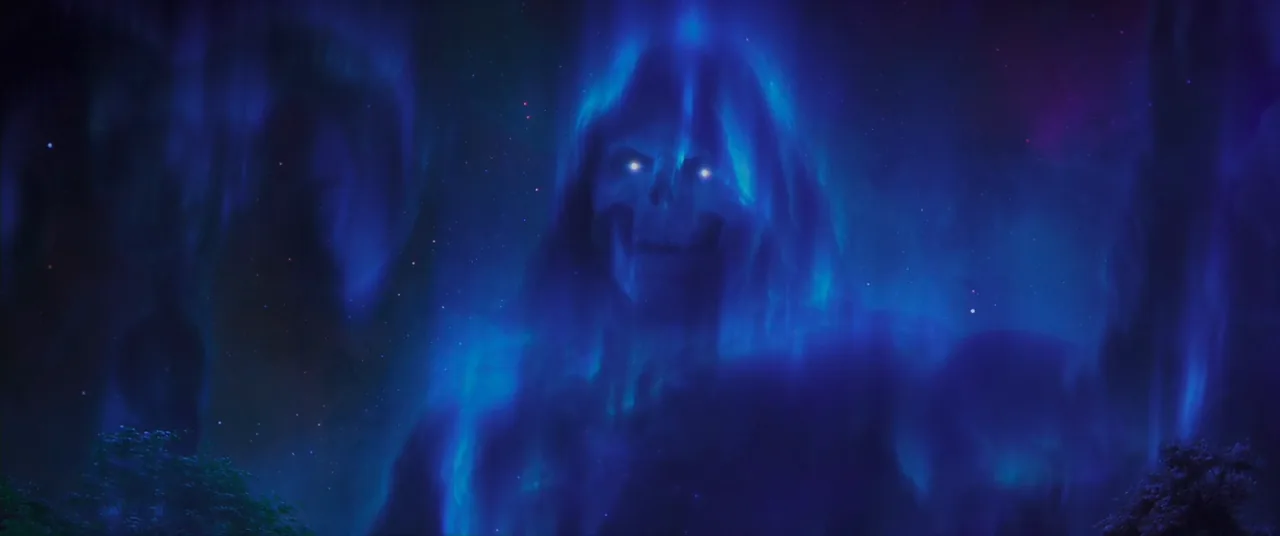
Adam falls into a vision. The Sorceress explains that she chose him as the vessel for the Power of Grayskull long before he ever held a sword, and that she chose him for kindness and empathy rather than strength. The power was in Adam the whole time. The sword was only ever the handle.
- 3
He-Man reforges the sword and ends Skeletor
Adam summons the Power of Grayskull on his own terms. The sword reassembles, he transforms fully in command of it, destroys the Havoc Staff, and Skeletor disintegrates. What is left of the warlord is a bare skull on the floor of Grayskull.
- 4
Six months later, he takes the name
The epilogue jumps forward. Eternos is rebuilt, Queen Marlena rules, Duncan has repaired Roboto, and Adam’s Earth roommate Hussein has come to see Eternia for himself. Teela asks Adam what he wants to be called. He picks the name he made up as a boy: He-Man. Then he and Cringer ride out to answer a distress call as the credits start.
The ending in stills
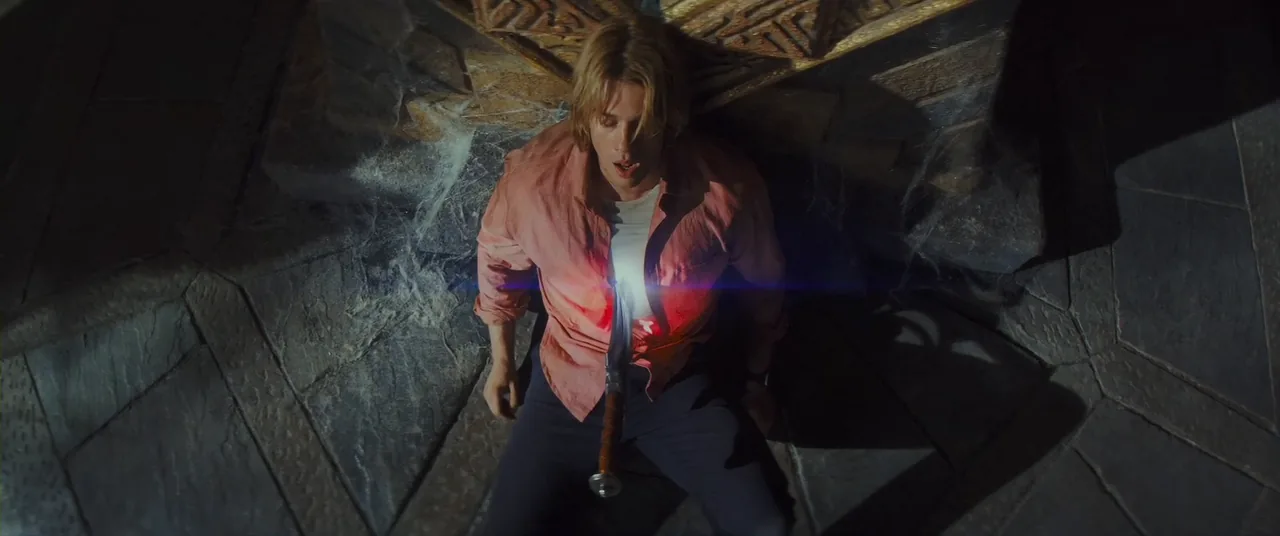
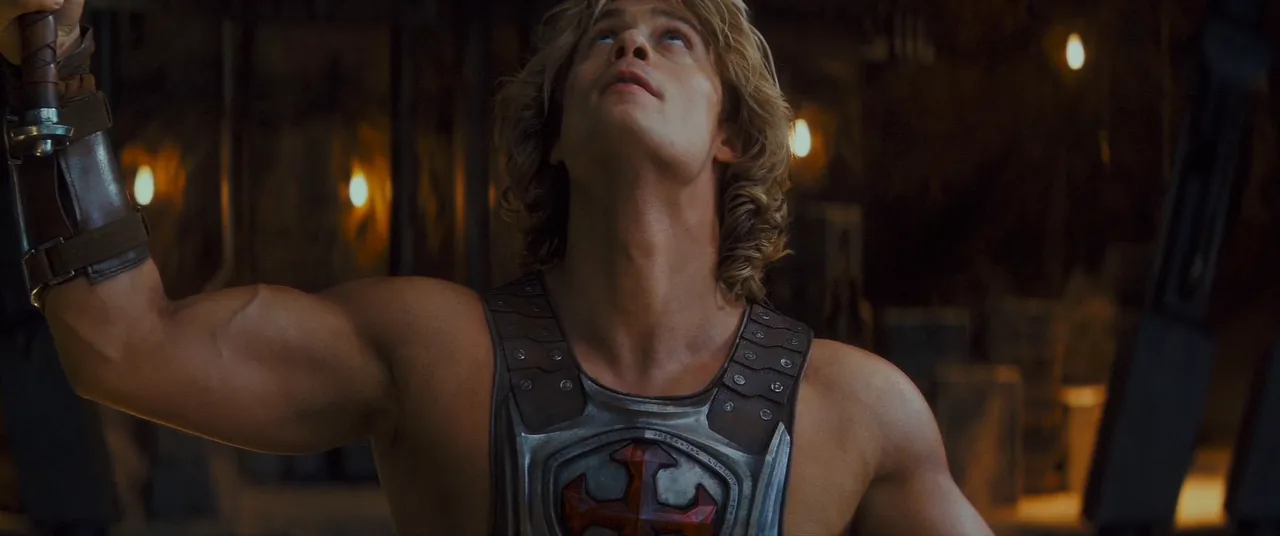
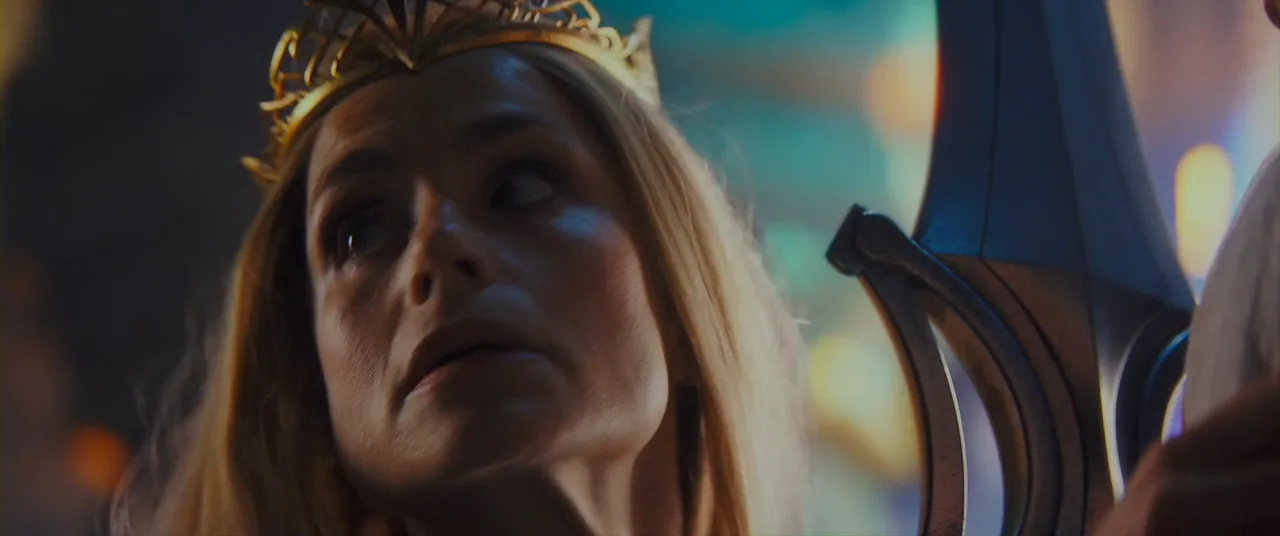
All stills Amazon MGM Studios, hosted on heman.org.
Some links on this page are affiliate links that support heman.org, including our BBTS Creator Program partnership with Big Bad Toy Store.
What the ending is actually arguing
Breaking the sword is the whole point of the film. Every version of this story has to answer the same question: what makes Adam worthy? The 1983 cartoon largely dodged it. Adam raised the sword, said the words, and the transformation happened because it was the format. This film takes the object away at the exact moment it should matter most, and has the Sorceress name the reason out loud. She chose Adam for empathy and understanding, not for the physique the toyline sold.
That reframing does a second job. It quietly fixes the plot hole the film has been carrying since the opening, when the sword is lost in the rift and Adam spends fifteen years on Earth without it. If the power lives in Adam, then those years were not a delay. He was always carrying it. The sword coming back together is a formality.
It also sets up an obvious sequel problem. If the power is internal, Skeletor cannot simply steal a weapon to win, which is what most of his classic schemes amount to. Evil-Lyn walking away with the skull is the film admitting it needs a different kind of threat next time.
The name gag, and why it lands
One of the film’s better inventions is that Adam made up the ridiculous names himself. He-Man, Fisto, Ram Man, Mekaneck: all coined by a ten-year-old boy for the warriors he met as a child, and all stuck to grown adults who have quietly resented them ever since. When Teela asks Adam at the end what he wants to be called, choosing He-Man is not a coronation. It is him owning the daft thing he said as a kid.
It is also the film’s answer to the secret-identity problem. There is no dual life to protect here. Adam is not a prince hiding in a palace, and by the end everyone knows exactly who He-Man is.
Then there are three credits scenes
The film does not stop at the epilogue. There are three scenes spread through the credits, and the last one materially changes where the story stands. We have broken all three down, in order, with who appears in each and what is actually said.
What the film leaves unresolved
Where has Adora been all this time?
The film never says. The prologue is built entirely around Adam’s escape, and Adora simply is not in it. Her history is left for a sequel to explain.
How would Evil-Lyn bring Skeletor back?
No mechanism is shown. She has the skull and she has motive. That is all the film commits to.
Who is the shadow behind Adora?
Hordak is strongly implied by the setting of her scene but is never named or seen on screen.
Are Adam and Teela together?
No. She deflects him earlier in the film and says she values the friendship. The film ends with that unresolved on purpose.
What happened to the deleted material?
Travis Knight has said sizeable scenes were cut and that he hopes they surface eventually. Nothing has been announced for the 4K release beyond a behind-the-scenes gallery and a drone-show featurette.
Frequently asked
How does Masters of the Universe (2026) end?
He-Man defeats Skeletor at Castle Grayskull. Skeletor shatters the Power Sword and stabs Adam with the hilt, but the Sorceress reveals in a vision that the power was always inside Adam rather than in the sword. Adam reforges the blade, destroys the Havoc Staff and reduces Skeletor to a skull. An epilogue set six months later shows Eternos rebuilt, Marlena ruling, and Adam formally taking the name He-Man.
Does Skeletor die at the end of Masters of the Universe?
He is destroyed on screen and reduced to a bare skull. He does not stay gone: the final post-credits scene has Evil-Lyn collecting the skull and walking off with it while Skeletor’s laugh plays over the black.
Does King Randor die in Masters of the Universe (2026)?
Yes. Randor, played by James Purefoy, dies at Snake Mountain partway through the film, well before the Castle Grayskull climax. He is not present for the finale.
Why does the Power Sword break?
Skeletor destroys it with the Havoc Staff during the final duel. It is a deliberate story beat rather than a twist: breaking the sword forces the film to make its actual argument, which is that the Power of Grayskull lives in Adam and not in the object.
How long is Masters of the Universe (2026)?
Wikipedia and post-release coverage put the runtime at 141 minutes, about two hours and twenty-one minutes. Pre-release cinema listings varied between 2h12m and 2h20m, which is why you will still find different figures quoted.
Do you need to watch anything before the 2026 movie?
No. The film is a self-contained origin story and assumes no knowledge of the 1983 cartoon, the 1987 film or the Netflix series. Longtime fans will pick up a lot of references, but nothing in the plot depends on them.
Sources
- Collider, Masters of the Universe ending explained
- Looper, ending explained
- Gizmodo, end credits scenes described
- Wikipedia, Masters of the Universe (2026 film)
Written and edited by the heman.org news desk. AI-assisted, human-edited: see how we work.